Chip Programming Machines: Revolutionizing Semiconductor Manufacturing
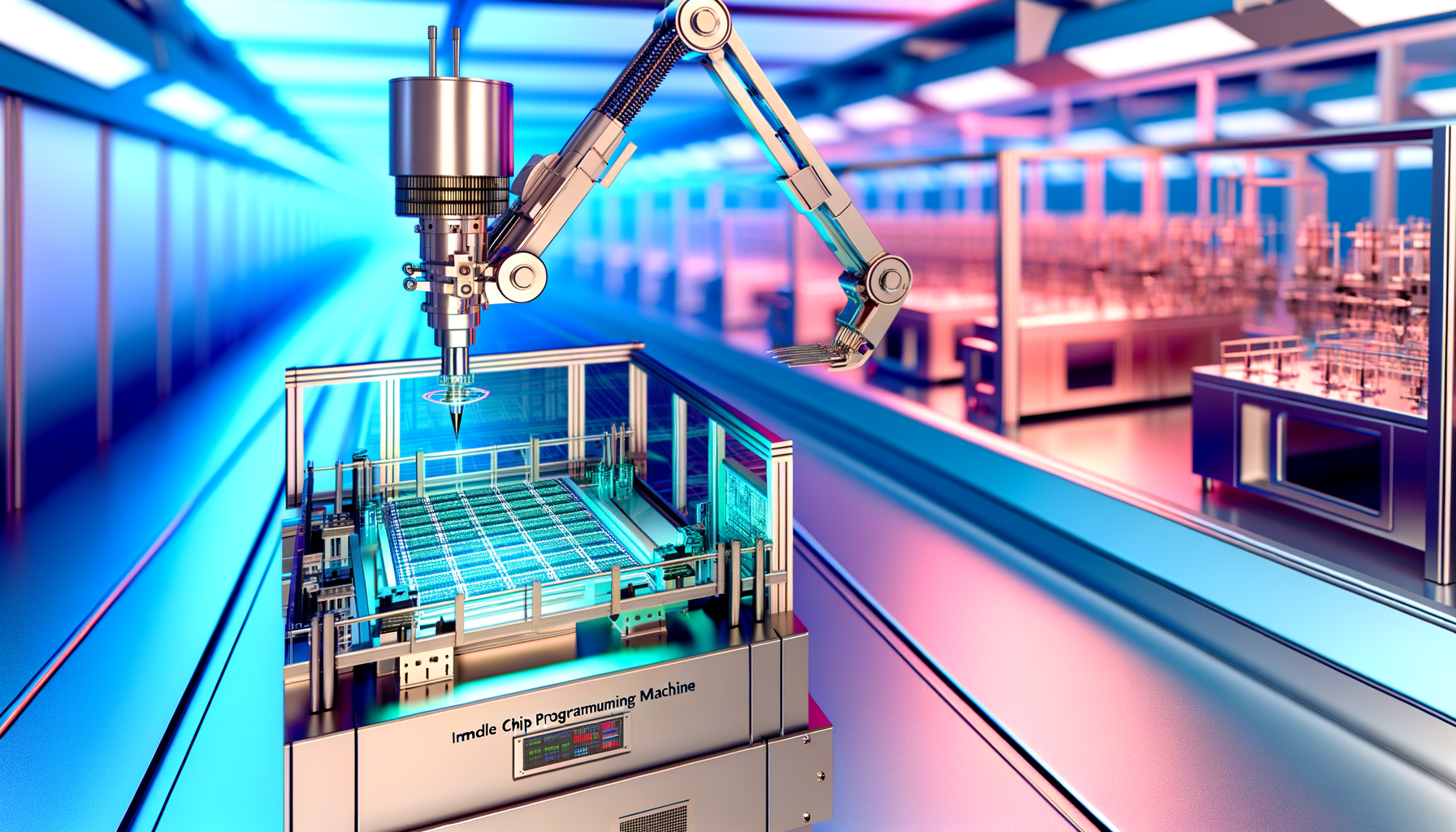
The Future of Semiconductor Manufacturing: Investment in Chip Programming Machines
In the fast-paced world of technology, staying ahead is more than a requirement; it's a necessity. As industries worldwide continue to evolve using cutting-edge innovations, the spotlight shines on automated chip programming machines. These powerful tools, critical for the semiconductor sector, are industry cornerstones. Increasing investment in research and development (R&D) aims to enhance these machines' capabilities, paving the path toward revolutionizing chip manufacturing processes.
The Growing Necessity for Advanced Chip Programming Machines
The burgeoning demand for faster, smaller, and more efficient semiconductor devices necessitates advancements in programming technologies. From smartphones to IoT devices, the chips inside power almost every facet of modern life. As new applications continue to emerge, the pressure mounts to innovate and meet market demands that require more sophisticated chip programming.
Emerging Technology Needs:
Miniaturization: As devices become smaller, so must the chips.
Complexity: With the rise of AI and machine learning applications, chips must support complex workloads.
Customization: Industries like automotive and healthcare demand tailor-made chips with specific functionalities.
Investment in R&D for chip programming machines ensures these necessary advancements are addressed swiftly and effectively.
Why Invest in R&D for Automated Chip Programming Machines?
Increased Efficiency and Accuracy Investing in R&D translates to the introduction of machine learning algorithms and sophisticated software that enhance the accuracy and efficiency of chip programming. Enhanced precision reduces errors, costs, and turnaround time.
Scalability and Flexibility R&D ensures that new design architectures allow for easy adaptation to different production requirements. Whether a company needs a small batch of custom-designed chips or large-scale productions, modern machines ensure seamless scalability.
Error Identification and Reduction Advanced machines come equipped with smart sensors and diagnostic tools that preemptively identify potential errors. Ongoing R&D could pave the way for self-correcting algorithms, drastically minimizing production downtime.
Trends Driving Increased R&D Investments
Several industry trends contribute significantly to the escalated focus on R&D.
The Internet of Things (IoT): Analysts expect IoT devices to number in the billions soon, meaning an unprecedented demand for efficient chip programming that enables connectivity and automation.
Artificial Intelligence (AI): With AI applications requiring chips capable of high-performance processes, R&D into programming machines meets these demands head-on.
Blockchain and Security: Enhanced security features within chips are another focal point, as interest in blockchain technology continues to rise, demanding secure and tamper-proof processing units.
Challenges in Developing Enhanced Chip Programming Machines
Despite the fervent push towards better programming machines, it's not without challenges:
Technical Complexity Combining various emerging technologies into comprehensive software and hardware systems requires significant expertise and practical application.
R&D Costs Investments in R&D can stretch budgets. However, the long-term savings in production costs and error reductions justify the expenditure.
Rapid Technological Evolution The pace at which technology evolves means development teams must remain agile and proactive, ready to pivot research strategies based on evolving market demands and unpredictable challenges.
Conclusion: An Industry Ready to Evolve
The journey towards an advanced generation of chip programming machines continues, guided by strong R&D investments. Chip programming machines have the power to usher in a new era of semiconductor production, making this sector more competent and resilient.
In the world of semiconductors, complacency equates to obsolescence. Companies choosing to harness the latest advancements in automated chip programming will not only thrive robustly but will also lead us into an era where technology adapts dynamically to human needs. The investment in research and development is not just a step forward; it is the launch pad propelling us into the future.
By prioritizing R&D, organizations position themselves as innovative leaders in enhancing chip capabilities, securing a technological edge in a competitive market. Here's to an exciting future awaiting automated chip programming machines and the revolutionary impact they will have in the years to come.
Explore Comprehensive Market Analysis of Automated Chip Programming Machine Market
Source - @360iResearch