Harnessing Cloud Management for IoT Network Integration
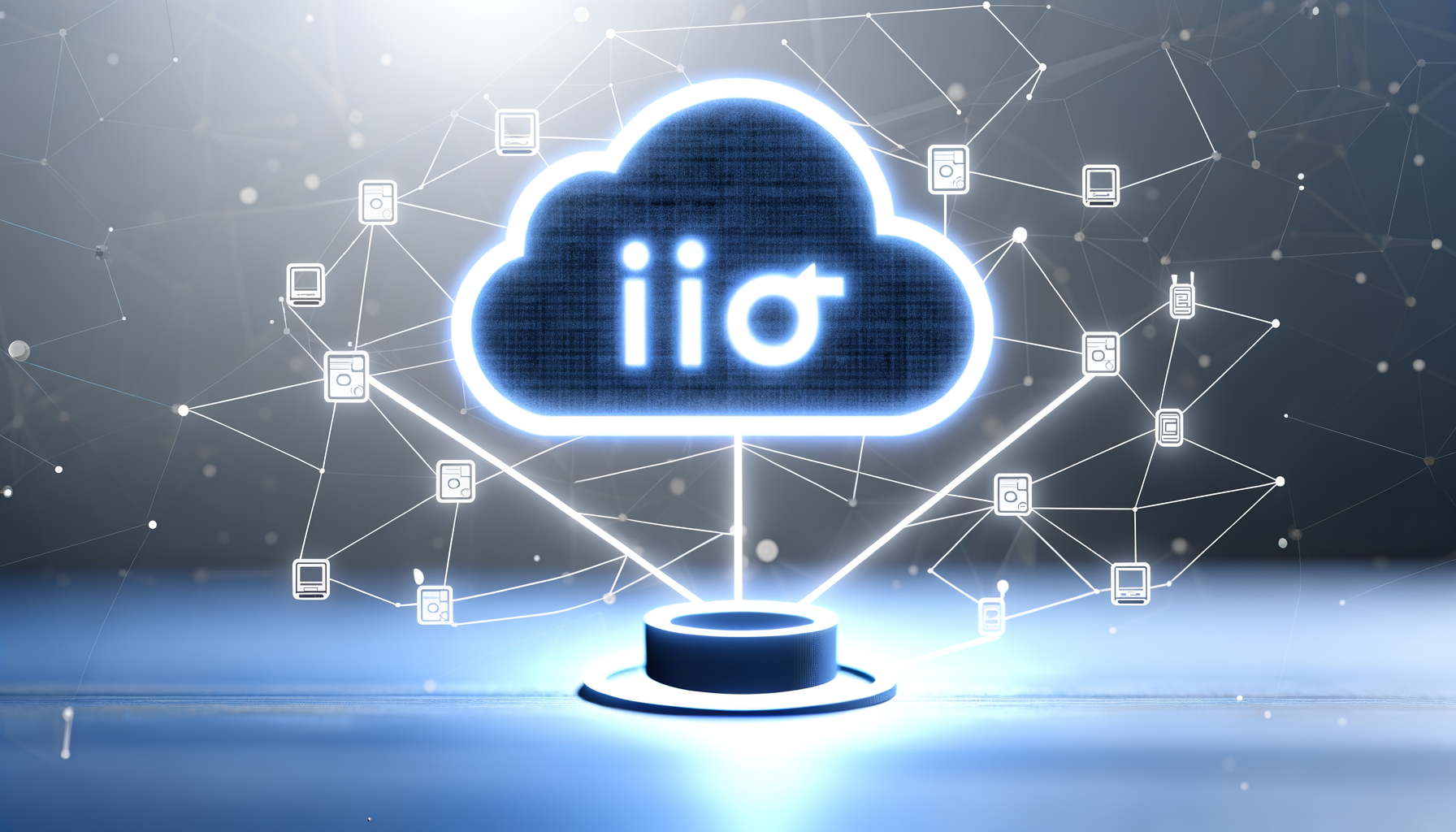
The Internet of Things (IoT) is rapidly transforming our world, connecting everyday objects to the internet with the aim of making life more seamless and efficient. From smart homes to interconnected factory machines, these devices are contributing to a digital ecosystem that was only a dream a few decades ago. However, the sheer volume of IoT devices deployed today is posing significant challenges on the network management front.
Why IoT Devices are Transforming Network Structures
IoT devices operate by collecting and exchanging data, which requires networks that can handle significant traffic loads, ensure robust security measures, and enable efficient data processing. With IoT adoption accelerating, organizations are investing in network enhancements that can efficiently manage increasing device volumes.
Increased Data Streams: Managing the influx of data generated by a multitude of devices demands networks that offer high bandwidth and low latency. Traditional networks often struggle, causing lags and interruptions.
Hybrid Network Topologies: As varied IoT devices integrate through different protocols, standalone networks become less effective. Enterprises need hybrid network architectures that offer seamless integration and adaptability.
Enhanced Security Challenges: As the number of connected devices rises, so do security risks. Networks must have robust security frameworks to protect sensitive data from emerging threats.
Cloud-Managed Networks: The Way Forward
Traditional network management strategies can fall short of adequately supporting complex, flexible, and expansive IoT environments. Therefore, organizations are increasingly turning toward cloud-managed solutions to address these challenges.
Scalability and Flexibility: Cloud-managed networks are designed with scalability at their core. They allow organizations to provision resources quickly according to their growing needs without substantial investment in physical infrastructure.
Centralized Management: A centralized approach simplifies network monitoring and maintenance, helping businesses address connectivity or security issues in a streamlined manner.
Cost-Effective Solutions: With cloud-based solutions, organizations can reduce costs related to hardware and maintenance. The pay-as-you-go model further optimizes spending, enabling budget-friendly network expansion.
Real-Time Analytics: Cloud management platforms offer real-time analytics, helping enterprises gain insights into traffic patterns, device performance, and network health. This allows for proactive decision-making and the anticipation of potential issues.
Integrating IoT Solutions into Cloud-Based Networks
Integrating IoT solutions into existing cloud networks is a strategic move, involving thoughtful planning and execution. Below are a few strategies to enhance this transition:
Prioritize Security: Secure the network by building layers of security such as firewalls, encryption protocols, and access controls.
Network Segmentation: Segment the network and align devices that perform similar functions. It ensures that if an attack occurs in one segment, it doesn't affect the entire network.
Device Management: Implement IoT management platforms to monitor devices, ascertain performance health, and deploy firmware updates consistently.
Interoperability Standards: Visibility into devices from multiple vendors is crucial. Establishing standards and leveraging open APIs can enhance seamless integration.
Challenges and Considerations
Despite its benefits, cloud-managed network integration for IoT devices presents its challenges:
Complex Deployments: With different devices using varying protocols, achieving standardized communication remains complex.
Vendor Lock-In: Relying on one cloud service provider could potentially limit flexibility. Opting for multi-cloud strategies can help mitigate vendor lock-in risks.
Latency Concerns: Even as cloud solutions enhance performance, latency could be a concern for time-sensitive IoT applications. Opt for solutions that minimize latency wherever possible.
Conclusion: The Path to Enhanced IoT Network Management
Organizations embracing IoT must prioritize robust cloud-managed network solutions to harness the potential of connected devices. With the right strategies, companies can overcome existing network management challenges, ensuring smooth device integration and an elevated digital ecosystem.
As the landscape continues to evolve, businesses need to stay ahead of trends, adapt proactively, and continuously refine their approaches. The future demands a network environment ready for IoT's expanding horizon one that cloud management platforms are uniquely equipped to provide.
Explore Comprehensive Market Analysis of Cloud Managed Network Market
Source - @360iResearch